Play is, by definition, taking part of an activity for enjoyment. Games are a form of play, in which there are a set of rules the players must follow to reach some sort of goal. Every game has different rules that must be followed, and you must be able to understand the rules of the game in order to play. Brian Upton mentions in his article, The Aesthetic of Play, “As long as I take a few minutes to learn the rules, I can play a game that originated in Germany or Ghana, or Peru, or ancient Mesopotamia, and it will function properly for me as a game” (Upton, pg. 9). This quote resonates with me, as I have played and learned to play many games throughout my life, and all it takes is some time to get used to the rules of the game.
One example of this is with Uno. In Uno, your goal is to clear your hand of cards, but some cards hold special properties. You can use a skip card to skip a person’s turn, reverse to change the order of players, and a wild card to change the color. If you have ever played Uno before, these might seem like second nature to you, but for someone who has never played Uno, they might not get it right away. It is only until they learn the rules of the game will they understand that they can put down a card of a different color as long as it’s the same number, or if they put down a plus four wild card, the person next to them will not be happy.
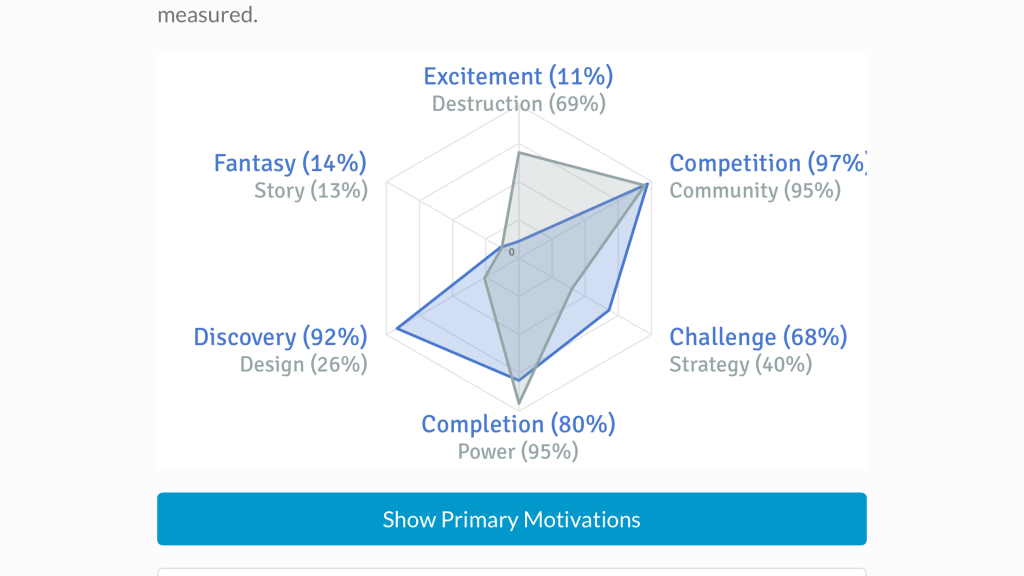
Rules play a very important role in play. Games must enforce the rules in order for the players to enjoy the game and have fun. Some players like to have less rules put on them so they can have as much creativity as possible. Games like Dungeons and Dragons does a great job at giving the player choices and the ability to change the story through their actions. Some players like to play games that are more story focused. Single player video games do a good job at telling a story while also keeping the player interacting with the world they immerse themselves in. People play games differently, and prefer some games over others, but every game has a set of rules and each player must follow the rules in order for the games to function.
Sources:
Upton, Brian. The Aesthetic of Play, 2015


You must be logged in to post a comment.