What is a Definition for a game?

Two questioned that we have discussed. What is a definition for a game? Game can be single player or multiplayer, it’s the same concept as sport either basketball or e sport. We spend time alone to improve our mechanics or skill sets needed for the game. On the other hand we can be playing the game together with our friends. The definition for game can be described as insensitive, balance, investment/engagement, Score/Point, Setting/Where the game is played(Basketball Court), interactive, Feeling, Mechanics(Activity), Story, Sound

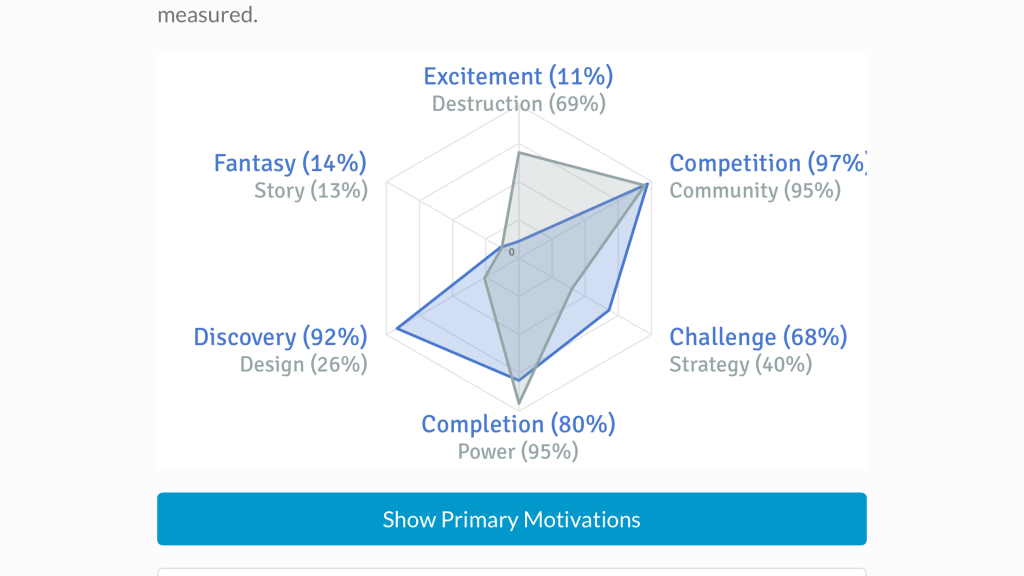
Gamer Motivation Survey, for my gamer Motivation Profile includes, Aggressive, Persistent, Driven, Social, Grounded, and Inquisitive, this is a survey I took in the class for the purpose of which type of gamer we are.
And later on in the Thursday lecture we read about the Aesthetic of play, We also talk about what is Game, Game are systems, lucrative, social worlds, have/create meaning, also we know that play is outside of culture, you don’t need to learn how to play. More definition about games it is a rule based formal System variable outcomes, there is three part of it, emergence, progression(early game, midgame, lategame), Narrative.

We also talk about what is game designer, think about the player/your audience, for example I am participate in a group called bridges it is a christian organization welcoming international students help them to build a home away from their home country. And I am in charge of the ice breaker game for the event, so my player will be college students, not children, people from all over the world, with different culture, world view background. So when I design the ice breaker for them, just like what it describe in the book Aesthetic of play, you don’t need to learn about the culture to play the game, simply you can just learn the rules and the game is playable, but if we talk about enjoy the game, it’s another story.

Upton, Brian. Aesthetic of Play. Received from https://learn-us-east-1-prod-fleet01-xythos.s3.us-east-1.amazonaws.com/5e00ea752296c/5331553?response-content-disposition=inline%3B%20filename%2A%3DUTF-8%27%27Aesthetic%2520of%2520Play.pdf&response-content-type=application%2Fpdf&X-Amz-Algorithm=AWS4-HMAC-SHA256&X-Amz-Date=20200202T153629Z&X-Amz-SignedHeaders=host&X-Amz-Expires=21599&X-Amz-Credential=AKIAZH6WM4PLTYPZRQMY%2F20200202%2Fus-east-1%2Fs3%2Faws4_request&X-Amz-Signature=66ee9d40d08a71d31a6e0fe5b5efd2b1eef445620390083ca64e9481d0c70a16

DMS 462 Blog Post #1 – Timothy Harianja

This week, we talked about the nature of play and I think this is an interesting topic to dive in more. I never have thought much about play as much as I have about culture and games. In his book, Brian Upton starts describing play as something that transcends culture. He uses game as an example of play, not to mention that game is not the totality of play. In short, He argues that a person can learn a game and its rules from another culture different to his/her own; furthermore claiming that play is more fundamental than culture.

After putting some thoughts about this, I realized that a person does not have to understand the meaning behind the rules or the cultural context of the game itself to participate in the game. This leads to me thinking that play is not defined by what we feel or how much we feel. It’s defined based on the fact that we participate in the play and we feel something to a certain degree. Later in his book, he mentions “Contained within this definition are four elements that Huizinga believes are fundamental to play: movement, freedom, rules, and boundaries. Play is a process, not a static state of affairs” (Upton, 14). I want to focus on rules and boundaries. I think rules and boundaries are made to define the context in which we feel. For example, in a game of chess, we can capture an opponent’s piece or reach checkmate. Capturing an opponent’s piece creates the feeling of progress and, on the other hand, reaching checkmate creates the feeling of winning or achieving something. We like and enjoy these feelings. Without those rules, we do not get to feel those in a chess game because the players can’t understand the meaning behind a move or an action. Culture seems to emphasize those feelings in game. Even I have experienced this when I moved to the US. My friends invited me to play football and I learnt all the rules of the game. However, I did not enjoy the game as much as they did because I couldn’t relate to the “culture” behind it. I don’t relate to Super Bowl as much as they did. Nevertheless, it is still a good game to play because I can still win and feel good about it, but the degree of how much I feel is defined by the culture behind it.

Upton, Brian. Aesthetic of Play. Received from https://learn-us-east-1-prod-fleet01-xythos.s3.us-east-1.amazonaws.com/5e00ea752296c/5331553?response-content-disposition=inline%3B%20filename%2A%3DUTF-8%27%27Aesthetic%2520of%2520Play.pdf&response-content-type=application%2Fpdf&X-Amz-Algorithm=AWS4-HMAC-SHA256&X-Amz-Date=20200202T153629Z&X-Amz-SignedHeaders=host&X-Amz-Expires=21599&X-Amz-Credential=AKIAZH6WM4PLTYPZRQMY%2F20200202%2Fus-east-1%2Fs3%2Faws4_request&X-Amz-Signature=66ee9d40d08a71d31a6e0fe5b5efd2b1eef445620390083ca64e9481d0c70a16